以色列记者尤瓦尔·亚伯拉罕和瑞切尔·索尔联合执导的纪录片《NAZA》通过采访24名以色列士兵和情报人员(采访时间跨度为2023-2025年),揭露了加沙冲突中平民伤亡如何被纳入军事决策程序1。NAZA是源自希伯来语"nezek agavi"的军事缩写词,意为"附带伤害",用于以数字形式表示预期死亡的平民数量1。这部纪录片记录了人工智能、监视技术和军事程序如何被用于目标识别和攻击授权1。
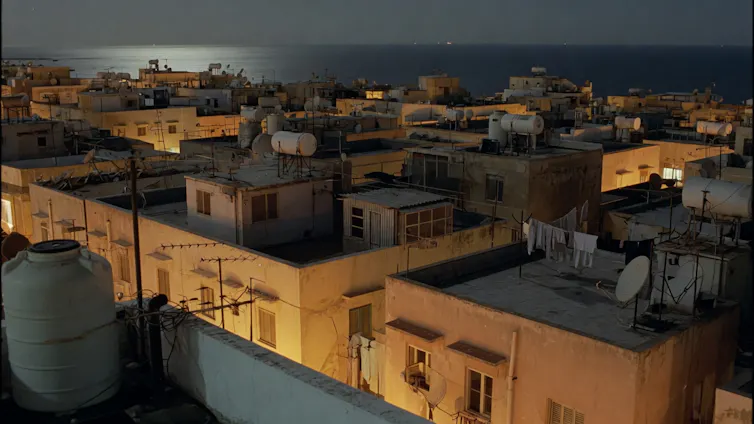
影片通过对话和视觉对比展现了特拉维夫日常生活与约60公里外暴力之间的距离1。受访的士兵描述了使用当地橄榄油焚烧巴勒斯坦人家园,并尽快摧毁建筑以应对国际压力的做法1。其中一名士兵表示,他所开发的人工智能工具已被用于杀死数千人1。纪录片还收录了本雅明·内塔尼亚胡在存档镜头中将恐怖主义定义为出于政治目的针对无辜平民的暴力的言论1。以色列军方已驳斥这些指控,并质疑匿名账户的可验证性1。
Israeli journalists Yuval Abraham and Rachel Sol have directed a documentary titled "NAZA" that reveals how civilian casualties in the Gaza conflict have been systematized as standard military procedure. 1 The film interviews 24 Israeli soldiers and intelligence personnel conducted between 2023 and 2025, documenting how artificial intelligence, surveillance technology, and military protocols have been employed in target identification and attack authorization in Gaza. 1
The acronym NAZA derives from the Hebrew term "nezek agavi," meaning "collateral damage," and is used to quantify the anticipated number of civilian deaths in military decision-making. 1 One soldier featured in the documentary states that an AI tool developed for targeting has been used to kill thousands of people. 1 The film juxtaposes daily life in Tel Aviv, located approximately 60 kilometers away, with the violence occurring in Gaza, illustrating the physical and psychological distance between the two regions. 1 Soldiers interviewed describe burning Palestinian homes using local olive oil and rapidly destroying buildings to preempt international pressure. 1
The documentary employs dialogue and visual contrasts to critique the military language and decision-making processes that reduce civilian casualties to numerical abstractions. 1 An archived clip features Prime Minister Benjamin Netanyahu defining terrorism as violence against innocent civilians for political purposes. 1 The Israeli military has dismissed these allegations and questioned the verifiability of the anonymous accounts presented in the film. 1
评论
还没有评论,欢迎留下第一条。