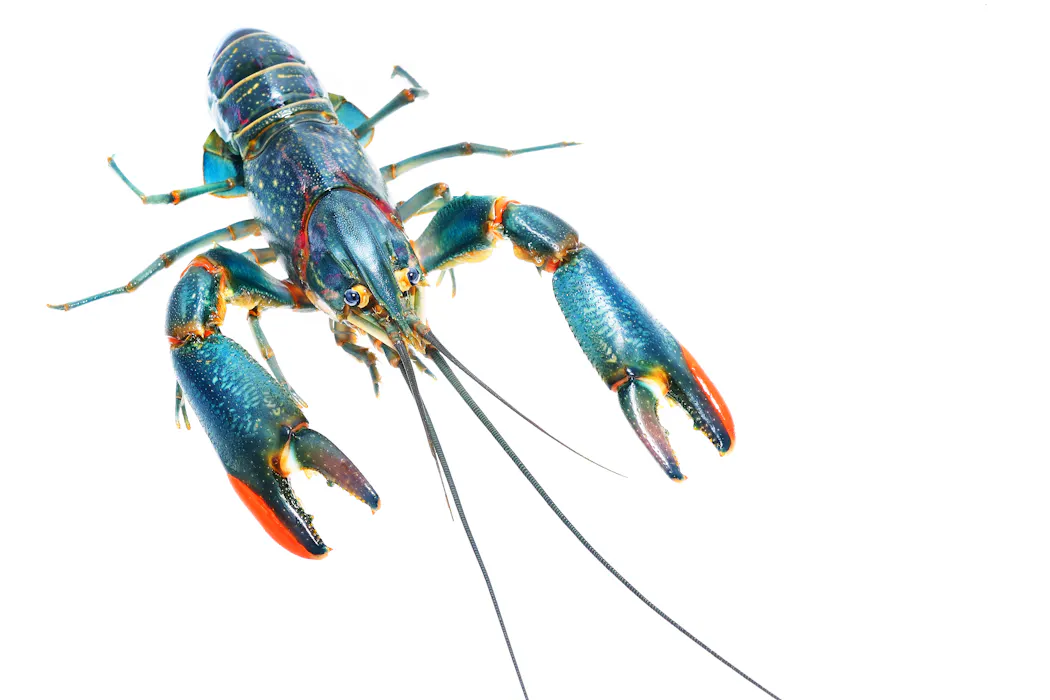
澳洲原产的红螯小龙虾和普通小龙虾已成为全球范围内难以控制的入侵物种。这两个物种原本栖息于澳大利亚北部热带地区和巴布亚新几内亚,却在1980至1990年代通过水产养殖出口和水族贸易传入非洲、欧洲、亚洲和南美12。如今它们已在赞比西河、博茨瓦纳奥卡瓦戈三角洲、南非克鲁格国家公园等多个地区出现12,对本地水生生态系统造成严重破坏。
红螯小龙虾和普通小龙虾的入侵能力惊人。单只雌性小龙虾每年可产下多个卵巢,每个卵巢含多达1000个卵12,使其种群增长极为迅速。这些物种平均每年可扩散6公里,在洪水季节更可达49公里12。普通小龙虾还具有极强的环境适应能力,可承受1°C至35°C的水温范围2,且可携带致命的螯虾瘟疫病原体2。
入侵带来的生态后果已经显现。赞比西河流域的渔民报告捕获量大幅下降12,本地鱼类和无脊椎动物数量减少,水生植物也被这些贪食的入侵者大量吞食1。由于这些物种的适应力强和繁殖快速,根除工作面临巨大挑战,目前几乎不可能将其完全清除2。澳大利亚已在西澳大利亚部分地区将红螯小龙虾列为入侵物种2。
Two species of Australian crayfish are devastating aquatic ecosystems far beyond their native habitat, establishing themselves as nearly impossible-to-eradicate invaders across Africa, Europe, Asia, and South America. The red-claw crayfish (Cherax quadricarinatus), native to tropical northern Australia and Papua New Guinea, has emerged as a particularly destructive force since the 1980s and 1990s, when it was exported globally for aquaculture and the aquarium trade 12. The species now thrives in the Zambezi River and surrounding waterways, where it has decimated local fish populations and consumed aquatic vegetation at alarming rates 12.
The reproductive capacity and adaptability of these crayfish make them exceptionally difficult to control. A single female red-claw crayfish can produce multiple broods annually, each containing up to 1,000 eggs 12. The species spreads at an average rate of 6 kilometers per year under normal conditions, accelerating to 49 kilometers annually during flood seasons 12. Fishermen in Zambia have reported significant declines in their catches as the invasive crayfish proliferate 12. The red-claw crayfish has already colonized the Okavango Delta in Botswana and Kruger National Park in South Africa 12. The Australian common crayfish (Cherax destructor), another invasive species, can tolerate water temperatures ranging from 1°C to 35°C and may carry the deadly crayfish plague pathogen 2. In Australia itself, the red-claw crayfish has been classified as an invasive species in parts of Western Australia 2, underscoring the global scope of a problem that originated with the uncontrolled escape of these species from commercial facilities and the pet trade.
评论
还没有评论,欢迎留下第一条。