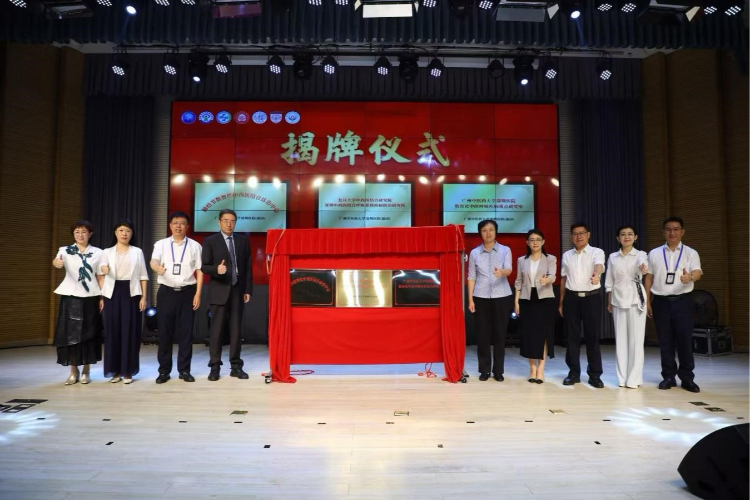
深圳市医疗卫生"三名工程"系列会议在广州中医药大学深圳医院举行,会上揭牌成立了三大科研平台1。这些平台分别为复旦大学中西医结合研究院深圳中西医结合呼吸系统疾病防治研究所、广州中医药大学深圳医院数智化中医呼吸疾病研究室和肺结节数智化中西医结合诊治中心1。医院通过"三名工程"引入了董竞成中医肺病团队1,致力于探索重大慢病中西医结合防治的新路径。
自2023年落地"慢病相对时空"公益项目以来1,该医院已开展干预活动200余次,服务患者2000余名1。该项目已获评市级健康促进优秀案例,并推出了科普读物《慢病与时空的对话》1。董竞成团队认为,数字医学是行业发展趋势,医疗工作应当坚持前移、下沉、整合的原则,将心理、运动、艺术等要素纳入慢病干预体系1。
Shenzhen has launched three new research platforms dedicated to combining Chinese and Western medicine in the prevention and treatment of major chronic diseases.1 The platforms—including the Fudan University Institute of Integrated Chinese-Western Medicine's Shenzhen Integrated Chinese-Western Medicine Respiratory System Disease Prevention and Treatment Research Institute, the Guangzhou University of Chinese Medicine Shenzhen Hospital's Digital Intelligent Chinese Medicine Respiratory Disease Research Room, and the Lung Nodule Digital Integrated Chinese-Western Medicine Diagnosis and Treatment Center—were officially unveiled at a series of meetings held as part of Shenzhen's medical and health "Three Renowned Programs" initiative at Guangzhou University of Chinese Medicine Shenzhen Hospital.1
The hospital has leveraged the "Three Renowned Programs" to bring in the medical team led by Dong Jingcheng, a specialist in traditional Chinese medicine lung diseases.1 Since launching the "Chronic Disease Relative Space-Time" public welfare project in 2023, the initiative has conducted more than 200 intervention activities and served over 2,000 patients.1 Dong Jingcheng has stated that "digital medicine represents an industry development trend, and healthcare must prioritize prevention, community-based care, and integration, incorporating psychology, exercise, and art into chronic disease interventions."1 The project has been recognized as an outstanding municipal health promotion case, and a popular science publication titled "Dialogue Between Chronic Disease and Space-Time" was released at the event.1
评论
还没有评论,欢迎留下第一条。