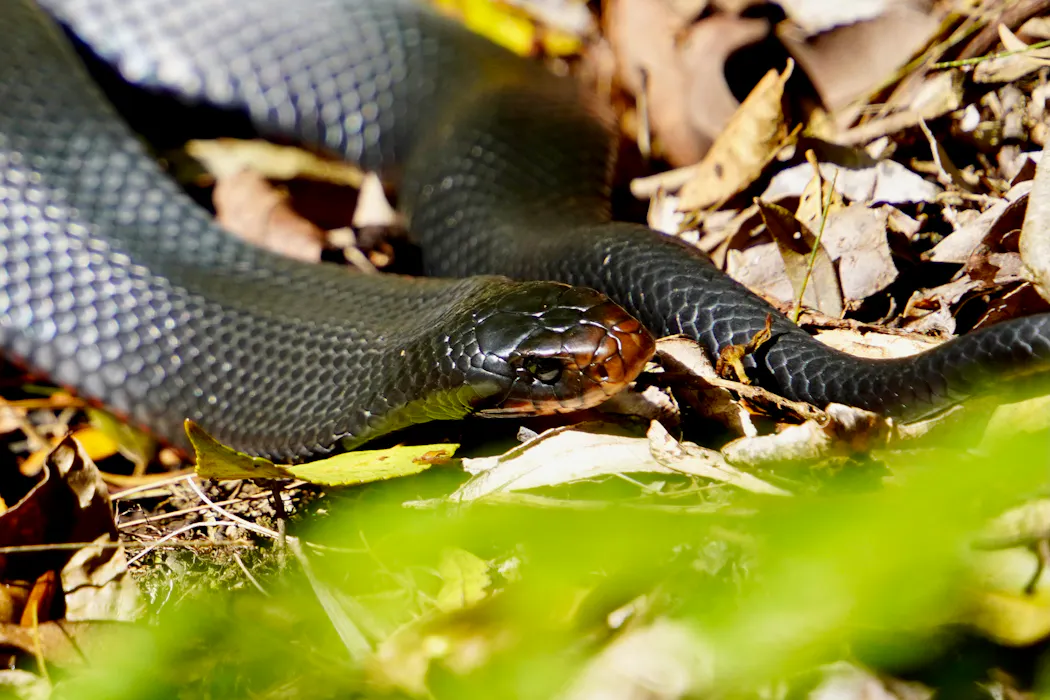
澳大利亚的野生爬行动物正面临真菌病威胁。1蛇真菌病(Ophidiomyces ophidiicola)和南美蛭毛菌(Nannizziopsis barbatae)是已知感染澳大利亚野生爬行动物的真菌病原体,可导致严重皮肤病、脱皮异常、动物消瘦,许多情况下致命。1这些真菌可能在爬行动物携带者身上不显现明显症状,也可能在环境中的土壤或腐烂物质中持续存在。1
处理爬行动物的人员——包括蛇捕手、野生动物护理人员和研究人员——可能通过被污染的设备在不同动物和地点之间传播真菌病原体。1为防止疾病传播,研究人员建议采取一系列简单的生物安全措施:在接触不同动物之间更换一次性手套或使用酒精凝胶、为每只动物使用独立的袋子、用70%乙醇、稀释漂白剂或兽医消毒剂清洁工具并放置2至10分钟、在不同地点之间清洁靴子。1此外,宠物爬行动物贸易被认为是真菌病传入野生种群的可能源头,建议将宠物和野生爬行动物隔离。1两栖动物壶菌病通过包括旅游在内的人类活动传播到偏远避难所,为爬行动物真菌病防控敲响警钟。1
Australia's wild reptile populations face a growing threat from fungal diseases, with two major pathogens already documented infecting snakes, water dragons, and carpet pythons across the country.1 Snake fungal disease, caused by Ophidiomyces ophidiicola, and a condition caused by Nannizziopsis barbatae can trigger severe skin infections, abnormal shedding, and wasting in affected animals, often proving fatal.1 Research indicates that reptiles may harbor these fungi without displaying obvious symptoms, while the pathogens can also persist in soil and organic debris in the environment.1
A critical concern is how these diseases spread between distinct animal populations and locations. Handlers of reptiles—including snake catchers, wildlife carers, and researchers—risk inadvertently transmitting fungal pathogens through contaminated equipment and personal protective gear.1 Pet reptile trade has been identified as a potential source introducing these fungi into wild populations.1 To mitigate this risk, researchers recommend straightforward biosecurity practices: changing disposable gloves or applying alcohol gel between animals, using separate bags for each animal, cleaning tools with 70% ethanol, diluted bleach, or veterinary disinfectants and leaving them to sit for 2 to 10 minutes, and cleaning footwear between different locations.1 The parallel spread of amphibian chytrid fungus through human activities, including tourism, to remote refuges underscores the urgency of preventing similar pathways for reptile fungal diseases.1
评论
还没有评论,欢迎留下第一条。