气候变化不会趋于稳定,而是持续恶化并产生难以预测的极端天气。1全球气温已无法控制在1.5°C以内,温室气体排放尚未达峰,未来还将继续增加。1随着全球升温幅度在2°C、2.5°C和3°C之间变化,各情景下的气候影响差异巨大。1
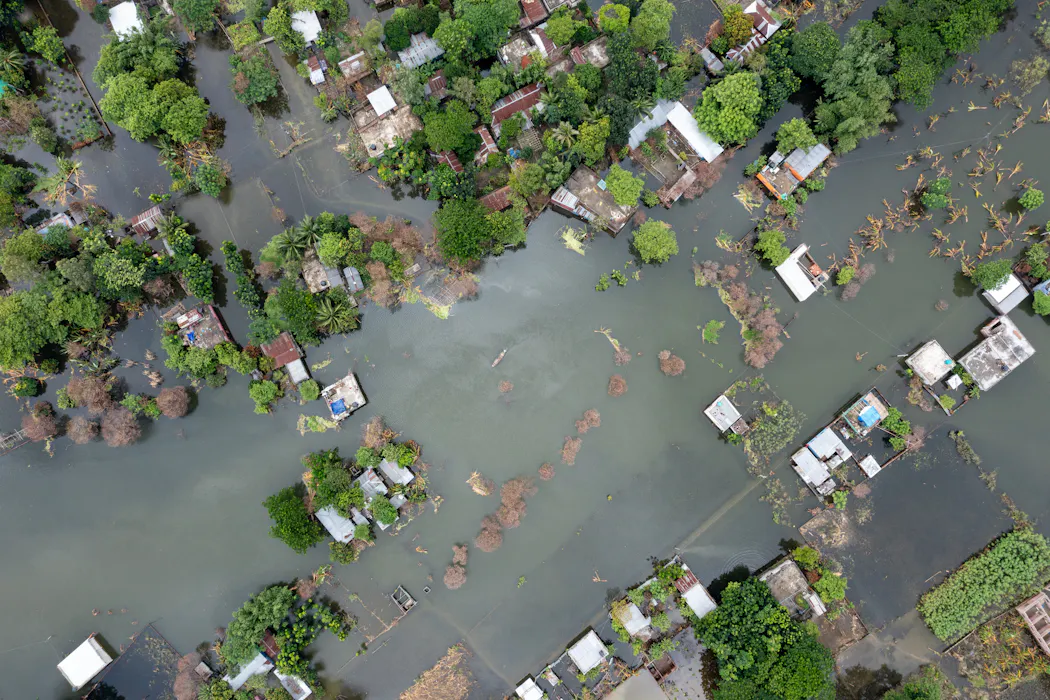
气候变化正在催生前所未有的极端天气组合。1人类将面临更频繁、更强烈的洪水、热浪和干旱灾害,以及干旱-洪水循环和火灾引发的风暴等新型气象灾害。1过去30年的平均气象数据已无法用于预测未来的极端天气事件。1城市和基础设施的不断扩张进一步加倍了气候风险。1
面对这一局面,人类必须放弃对气候"新常态"的幻想,转而采取积极的适应措施。1适应气候变化需要同时进行减排和适应两方面的努力,而非单纯寄望气候趋稳。1
The notion that global climate will eventually stabilize at a predictable "new normal" is increasingly untenable, as scientific evidence demonstrates that climatic conditions will continue to deteriorate with mounting unpredictability.1 Global temperatures can no longer be constrained within the 1.5°C threshold, and greenhouse gas emissions have not yet peaked, meaning further increases lie ahead.1 The differences between potential futures—whether warming reaches 2°C, 2.5°C, or 3°C—are substantial and will determine the severity of climate impacts across regions.1
The consequences extend beyond gradual change to encompass novel and severe combinations of extreme weather.1 Humanity will face increasingly frequent and intense flooding, heat waves, and droughts, alongside unprecedented phenomena such as drought-flood cycles and fire-induced storms.1 Critically, historical meteorological averages from the past 30 years can no longer serve as reliable predictors for future extreme weather patterns, rendering traditional climate adaptation planning obsolete.1 Simultaneously, the expansion of cities and infrastructure amplifies climate risks by concentrating populations and assets in vulnerable areas.1
Responding to this reality requires a dual commitment: continued emissions reductions must proceed in parallel with adaptive measures designed for the actual climate scenarios ahead.1 Rather than awaiting an imagined climatic equilibrium, societies must fundamentally restructure their approaches to resilience, acknowledging that variability and extremity are defining features of the climate system to come.
评论
还没有评论,欢迎留下第一条。