深圳龙岗区卫生部门近期发布科普提醒,指出秋冬季节是流感和诺如病毒的活跃期,市民需要警惕常见的防护误区。流感与普通感冒最大的区别在于病原体不同——流感是由流感病毒引起的急性呼吸道传染病 1。流感患者通常表现为高热、寒战、头痛、全身肌肉关节酸痛和乏力等全身症状,部分患者可发展成重症病例,具有明显的家庭聚集传播风险 1。
诺如病毒感染同样需要引起重视。诺如病毒感染与食物中毒的核心区别在于诺如病毒感染具有传染性,而食物中毒则不具传染性 1。诺如病毒的潜伏期多为1至2天,传播途径包括粪口传播、密切接触传播和气溶胶传播等多种方式 1。儿童诺如病毒患者以呕吐为典型表现,需要在症状完全消失后72小时才可返校 1。
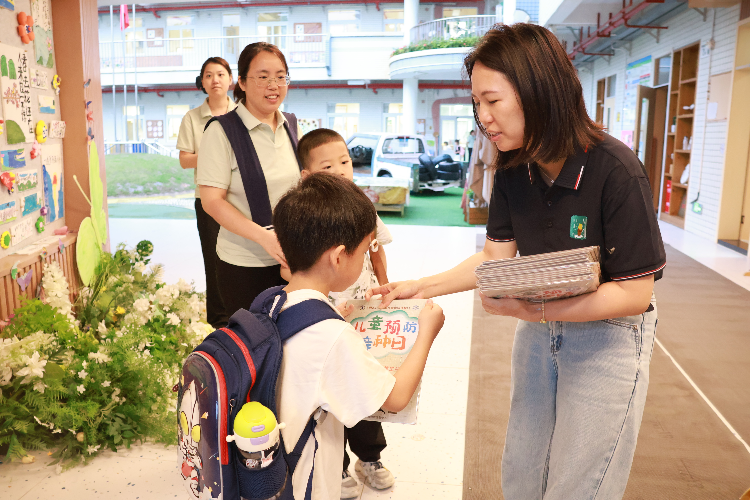
预防上述传染病,专家建议通过接种疫苗、养成良好卫生习惯和及时就医等方式进行防护 1。深圳市已正式启动今年中小学免费流感疫苗接种工作 1。
As autumn and winter approach, influenza and norovirus infections are becoming increasingly prevalent, prompting health authorities in Shenzhen's Longgang District to issue guidance distinguishing these illnesses from common misconceptions.1
A critical distinction exists between influenza and the common cold, primarily in their causative agents.1 Influenza is an acute respiratory infectious disease caused by the influenza virus, whereas the common cold typically stems from other pathogens.1 Patients with influenza often experience systemic symptoms including high fever, chills, headache, and generalized muscle and joint pain, accompanied by fatigue.1 In severe cases, influenza can progress into serious complications requiring urgent medical attention.1
Norovirus infection presents another significant health concern during this season, frequently confused with food poisoning due to similar symptomatology.1 The crucial difference lies in transmissibility: norovirus infection is contagious, whereas typical food poisoning is not.1 The virus typically has an incubation period of one to two days and spreads through fecal-oral transmission, direct contact, and airborne droplets.1 Among infected children, vomiting is the characteristic symptom, and patients must wait 72 hours after symptoms completely resolve before returning to school.1
To mitigate the spread of these illnesses, authorities recommend vaccination, maintaining good hygiene practices, and seeking timely medical care when symptoms appear.1 Notably, Shenzhen has officially launched its annual free influenza vaccination program for primary and secondary school students.1
评论
还没有评论,欢迎留下第一条。