2026年诺贝尔生理学或医学奖授予Karl Deisseroth、Peter Hegemann和Georg Nagel三位科学家,表彰他们在光门控离子通道和光遗传学领域的发现1。深圳先进院研究员王立平与这一突破性成果的渊源已有多年——他早在2005年就进入诺奖得主Deisseroth的实验室开展博士后研究1,随后在深圳建立了系统性的光遗传技术研发平台。
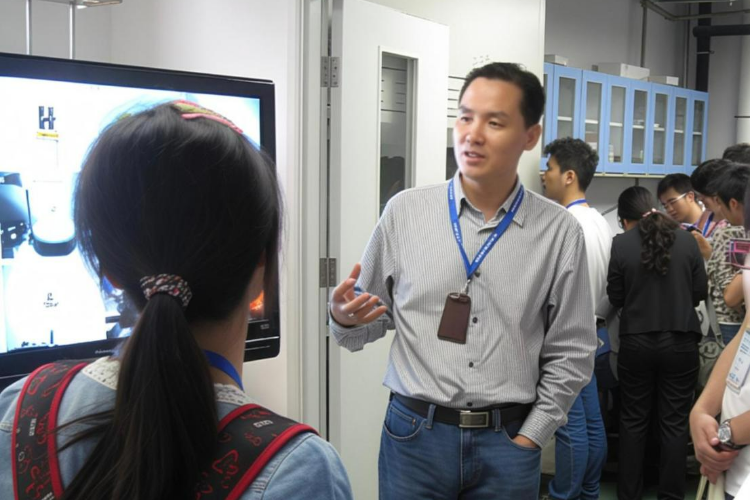
从2012年举办第一届全国光遗传技术培训班开始1,王立平团队通过连续14届培训班直接培训了约3000名科研人员1。这些学员来自全国300余家科研机构,覆盖了全国97%的省级行政单位1。通过持续的技术推广和开放式服务,深圳团队将这一前沿技术从实验室拓展到了全国的科研生态。与此同时,王立平研究员还牵头推进建设深圳市脑解析与脑模拟重大科技基础设施1,进一步夯实了光遗传学研究的基础支撑。
The 2026 Nobel Prize in Physiology or Medicine has been awarded to three scientists in the field of optogenetics: Karl Deisseroth, Peter Hegemann, and Georg Nagel, recognizing their discoveries in light-gated ion channels and optogenetic technology 1. Dr. Wang Liping, a researcher at the Shenzhen Institutes of Advanced Technology, participated in early research on this technology as far back as 2005 when he conducted postdoctoral research in Nobel laureate Deisseroth's laboratory 1.
Building on this foundation, Wang's team established a systematic optogenetics research and development platform in Shenzhen and has spent the past 18 years disseminating this cutting-edge technology across the country 1. The inaugural national optogenetics training workshop was held in Shenzhen in 2012 1. Through 14 consecutive national training sessions conducted through 2025, the program has directly trained approximately 3,000 scientific researchers from over 300 research institutions nationwide, covering 97 percent of China's provincial administrative divisions 1. In parallel, Wang's team has led efforts to construct the Shenzhen Brain Analysis and Brain Simulation Major Science and Technology Infrastructure 1.
评论
还没有评论,欢迎留下第一条。