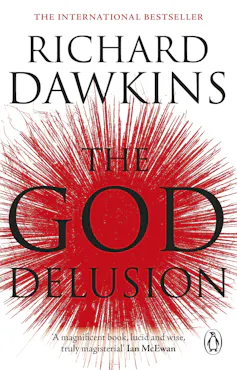
理查德·道金斯2006年出版的《上帝的错觉》已发行超过300万册,被翻译成30多种语言,成为知识界的重要争议之作1。该书以科学理性主义立场对宗教提出系统批判,在出版后持续引发知识界辩论1。然而,道金斯本人近年因关于跨性别认同的言论而面临更大范围的质疑,2021年美国人文协会因此撤销了他1996年获得的人文年度奖1。
书中的主要批评观点认为,道金斯将宗教信仰简化为漫画式的刻板印象,采取了尖刻的论调,并试图用科学取代宗教1。道金斯在著作中引用爱因斯坦名言阐述世俗宗教观念,并论证自然选择足以解释生命的复杂性1。他曾在讲座中回应批评称:"它有效。飞机能飞,汽车能开,计算机能运算。"1
面对撤销奖项的风波,哲学家丽贝卡·戈德斯坦和心理学家史蒂文·平克发表公开信,指责这种做法是对人文主义原则的背弃,认为应该通过辩论而非惩罚来回应不同观点1。评论认为,该书真正的持久价值并非在于其对宗教的批判,而在于其所捍卫的自由主义价值——理性、证据、言论自由和独立思考1。
Richard Dawkins' "The God Delusion," published in 2006, has sold over three million copies and been translated into more than 30 languages, establishing itself as one of the most influential works challenging religious belief from a scientific rationalist perspective.1 Two decades after its release, the book remains a focal point of intellectual debate, though its author has become embroiled in broader controversies that have overshadowed its original arguments.
The work drew substantial criticism from both religious and secular thinkers, with detractors arguing that Dawkins constructed a caricature of religious faith, adopted a combative tone, and sought to replace religion with science rather than coexist with it.1 In the book, Dawkins drew on Albert Einstein's ideas to discuss secular religiosity and argued that natural selection explained the complexity of life.1 When addressing such objections in lectures, Dawkins responded pragmatically: "It works. Planes fly, cars drive, computers compute."1
The reputational challenge facing Dawkins intensified in 2021 when tweets concerning transgender identity sparked widespread controversy, leading the American Humanist Association to revoke his 1996 Humanist of the Year Award.1 In response, philosopher Rebecca Goldstein and psychologist Steven Pinker issued a public letter condemning the punishment of a writer rather than engaging with their ideas, characterizing such action as a betrayal of humanist principles.1 Commentators have argued that the enduring value of "The God Delusion" lies not primarily in its critique of religion, but in the liberal values it defends—reason, evidence, free speech, and independent thought.1
评论
还没有评论,欢迎留下第一条。