研究人员利用EAGLE宇宙模拟项目分析了模拟宇宙中对生命最友好的区域,相关研究已发表在《Monthly Notices of the Royal Astronomical Society》上1。研究表明,银河系处于宜居状态,其中距离星系中心适中的位置最适合生命存在1。这些宜居区域成功避开了大爆炸、伽马射线暴、黑洞等对生命构成威胁的极端天体现象1。
与其他星系相比,银河系表现出相对安全稳定的特征1。研究发现,即使银河系在十亿年间发生漂移,也只有少于千分之一的恒星会经历极端灭绝事件1。相比之下,较小的星系更加拥挤危险,环境条件对生命的威胁更大1。研究还指出,地球上的奥陶纪大灭绝事件发生于450百万年前,可能由附近的爆炸引起1。
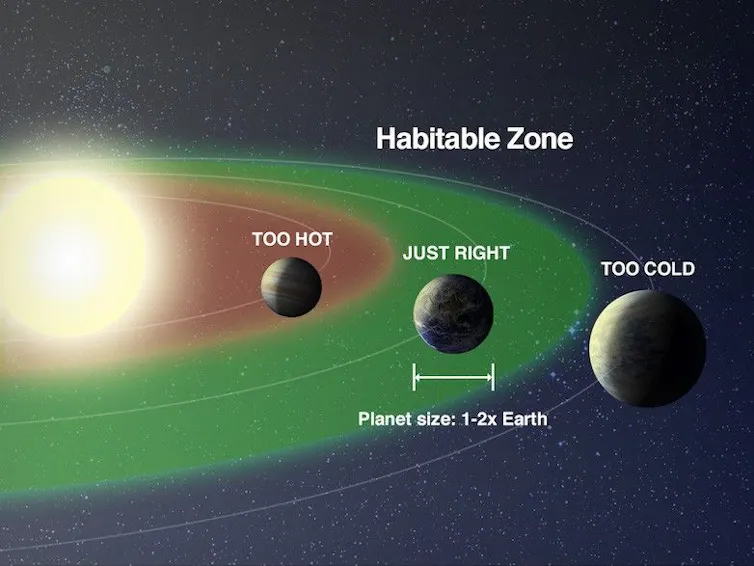
Researchers have used the EAGLE universe simulation project to identify the most life-friendly areas within a simulated cosmos. 1 The study, published in the Monthly Notices of the Royal Astronomical Society, analyzed conditions across vast stretches of virtual space to determine where life would be most likely to thrive. 1 The findings reveal that our solar system and the Milky Way galaxy occupy particularly favorable locations, having avoided catastrophic events such as gamma-ray bursts and interactions with black holes. 1
The Milky Way galaxy itself proves to be a relatively stable and secure environment for life. 1 Within the galaxy, positions at moderate distances from the galactic center emerge as optimal for habitability. 1 Even if the Milky Way were to drift for a billion years into the future, fewer than one in a thousand stars would experience extreme extinction events. 1 By contrast, smaller galaxies present more crowded and hazardous conditions for developing life. 1 Notably, the Ordovician mass extinction event that occurred 450 million years ago may have resulted from a nearby stellar explosion, suggesting that proximity to catastrophic cosmic phenomena poses a genuine threat to biospheres. 1
评论
还没有评论,欢迎留下第一条。