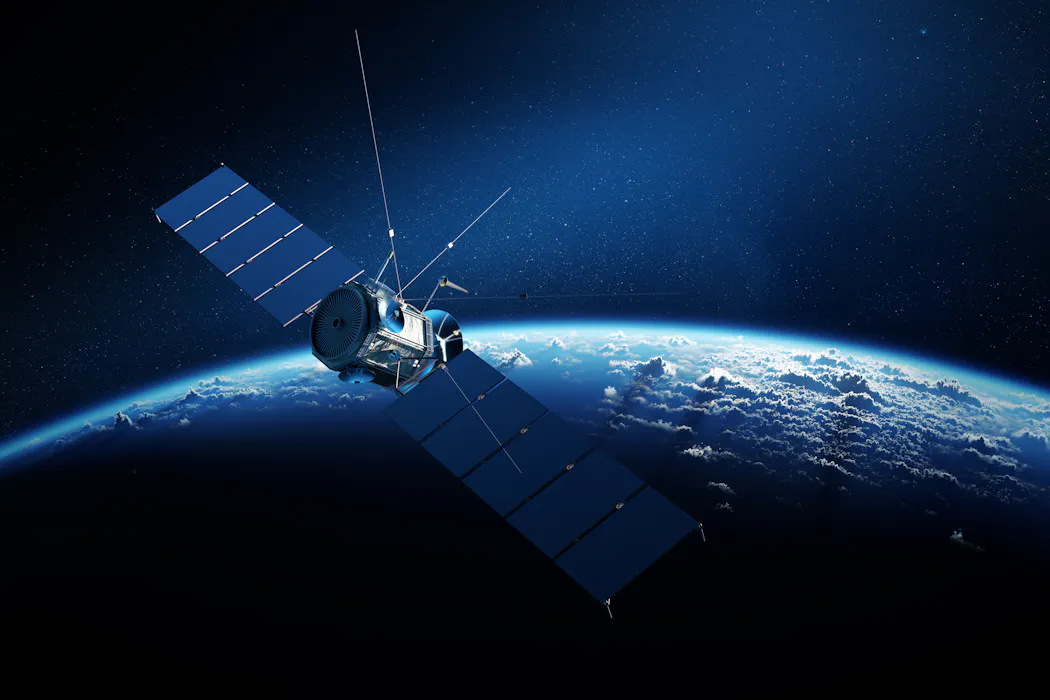
新西兰正在快速扩展太空能力并深化国际伙伴关系,但同时面临卫星技术军民两用特性带来的战略难题。新西兰同意投入约2400万美元资助美国国防部主导的宽带全球卫星通信项目1,并参与相关太空防御行动1。这一举措反映了新西兰对太空领域日益增长的关注——该国太空产业估值已达25亿新西兰元1。
然而,卫星技术具有民用和军用的双重用途特征1,这使得增强太空安全的行动可能被其他国家视为战略威胁,从而加剧地缘政治紧张局势1。当前国际环境中,美国已在太空部署武器1,英国宣布建立太空效应中队1,卫星服务对经济的重要性也在上升——英国太空战略估计卫星服务贡献其国内生产总值的18%1。面对这一复杂局面,新西兰需要通过提高透明度和加强区域合作,在维护国家安全与维持全球战略稳定之间取得平衡1。
New Zealand has committed approximately NZ$24 million to support a broadband global satellite communications project led by the U.S. Department of Defense 1. This investment reflects the country's growing engagement in space capabilities and international partnerships, even as it grapples with the inherent ambiguity surrounding satellite technology that serves both civilian and military purposes 1.
The dual-use nature of satellite systems presents a complex challenge for New Zealand's strategic posture. While the country's space industry is valued at NZ$2.5 billion 1, satellite services contribute significantly to economic activity globally—accounting for 18% of Britain's GDP according to UK space strategy estimates 1—the militarization of space is advancing rapidly. The United States has already deployed weapons in space, and Britain has announced the establishment of a space effects squadron 1. As New Zealand enhances its space security capabilities through international partnerships, such measures risk being perceived as threatening by other nations, potentially escalating geopolitical tensions 1. To navigate this dilemma, New Zealand should prioritize transparency and regional cooperation to balance national security interests with broader global strategic stability 1.
评论
还没有评论,欢迎留下第一条。