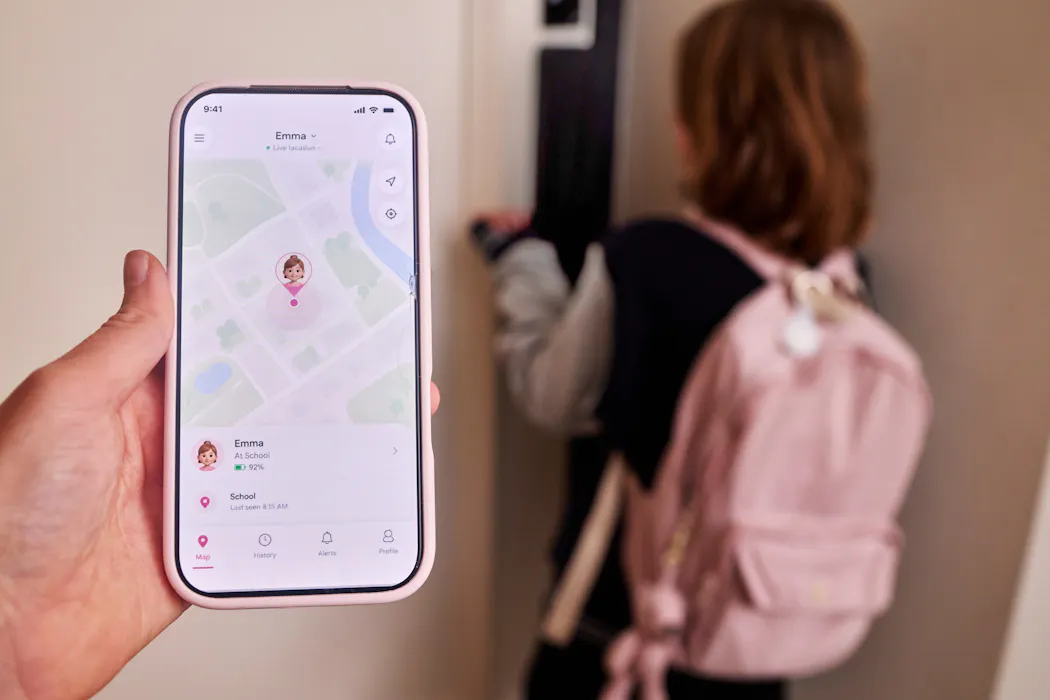
位置追踪技术在家庭中的应用日益普遍,但其中蕴含的风险与益处需要父母审慎平衡。根据2023年澳大利亚一项调查,受访的112名父母对这一技术持矛盾态度1。父母通常在子女8至12岁时开始使用追踪工具1,目前市面上主要的追踪应用包括Apple Find My、Snapchat Snap Map、Life360和SpaceTalk等1。
父母采用位置追踪技术的初衷往往是出于安全考虑。有父母表示利用该功能确认孩子是否安全抵达朋友家或以便双方见面1。然而,这项技术同样存在明显风险。追踪数据可能被广告商和数据代理商收集、存储和滥用1。更为重要的是,研究发现某些儿童被持续追踪至成年期,部分年轻人在社交媒体上表达了对该技术限制其独立性和自主权的不满1。
一位接受调查的父母的观点反映了许多人的纠结:"我用它检查儿子的位置以便见面或检查他是否安全到达朋友家。我不赞成'追踪'——我认为持续被监控是有害的,但我确实喜欢'检查'的能力。"1 这表明位置分享应被视作一个持续的对话过程,而非一劳永逸的决定。
Parents typically begin using location tracking technology to monitor their children around ages 8 to 12.1 Popular tracking tools include Apple Find My, Snapchat Snap Map, Life360, and SpaceTalk.1 The technology offers practical benefits, such as verifying that children have safely arrived at their destinations and facilitating meeting arrangements.1 However, location data collected through these services can be gathered, stored, and misused by advertisers and data brokers.1
A 2023 survey of 112 Australian parents revealed conflicting attitudes toward location tracking technology.1 One parent expressed the distinction between continuous monitoring and periodic checking, stating: "I use it to check where my son is so I can meet him or verify he's arrived safely at a friend's house. I don't approve of 'tracking'—I think being constantly monitored is harmful, but I do like having the ability to 'check.'"1 Research indicates that some children continue to be tracked into adulthood, with young adults expressing frustration on social media about how the technology constrains their independence and autonomy.1
评论
还没有评论,欢迎留下第一条。