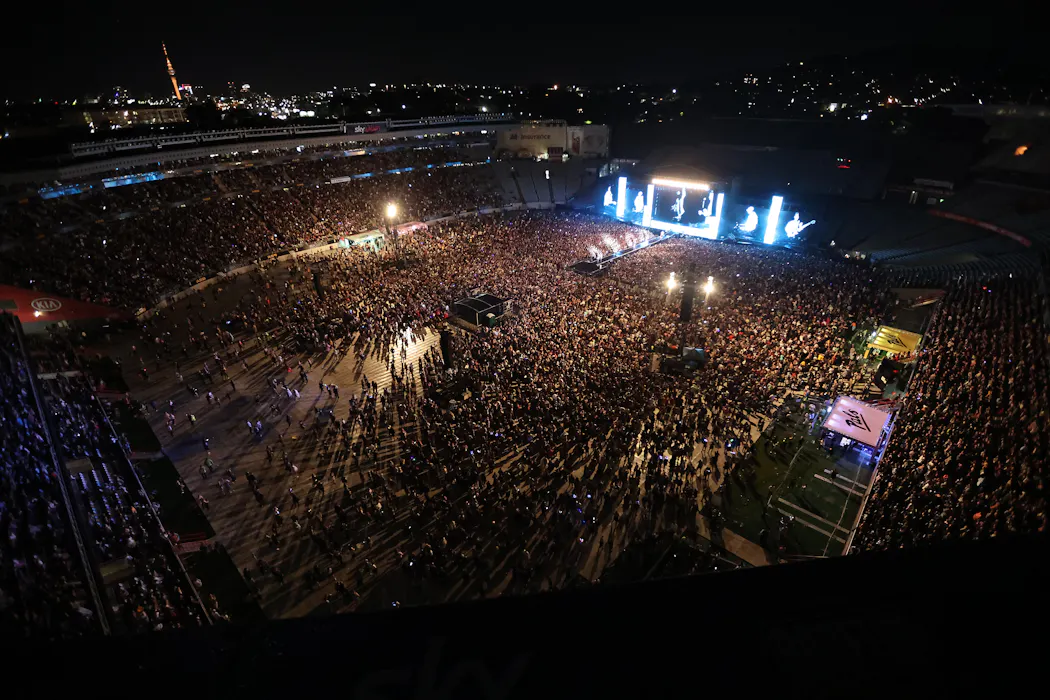
新西兰政府通过商业创新就业部的"活动吸引一揽子计划"向大型国际音乐演出提供资金支持,资金规模达新西兰币4000万元1。其中包括林肯公园乐队3月在奥克兰举办的演唱会和惠灵顿ULTRA音乐节等活动1。林肯公园演唱会吸引12,376名粉丝到场1,但该演唱会仅有1%的观众(126人)是专程从国际前来的游客1;ULTRA新西兰音乐节的国际游客占比更低,仅为0.4%(118人)1。
政府对这类活动的投资回报进行了评估,声称前四场活动投入新西兰币590万后产生了新西兰币1500万的净收益,相当于每投入1元可产生3.20元回报1。然而,这一资金配置方式引发了关于公共资金使用效率的质疑。商业创新就业部在2025年4月建议政府不应继续资助巡演1。相比之下,由Spark Arena社区基金投资的本地音乐空间仅获得6万元的支持用于三个音乐空间1,远低于国际演出补贴规模,引发了关于政府资金是否应更多地投向本地音乐基础设施建设的辩论。
New Zealand's government has invested NZ$40 million through the Business, Innovation and Employment Department's Events Attraction Package to subsidize large-scale international music tours, including Linkin Park's March concert in Auckland and the ULTRA music festival in Wellington 1. However, research into these events has raised questions about whether public money is being deployed effectively to boost the country's music sector.
The data reveals a striking disconnect between the scale of government investment and international visitor engagement. Linkin Park's Auckland show drew 12,376 fans, yet only 1 percent of attendees—126 people—were international tourists who traveled specifically for the concert 1. Similarly, the ULTRA New Zealand music festival attracted just 0.4 percent international visitors, accounting for 118 attendees 1. Despite these modest tourism returns, the government claims the first four funded events generated NZ$15 million in net revenue against an investment of NZ$5.9 million, translating to a NZ$3.20 return for every dollar spent 1. In April 2025, officials within the Business, Innovation and Employment Department recommended halting government support for touring acts 1. This recommendation has intensified debate over whether public funding should be redirected toward building local music infrastructure instead—a cause exemplified by Spark Arena's community fund, which has invested only NZ$60,000 to support three music venues 1.
评论
还没有评论,欢迎留下第一条。