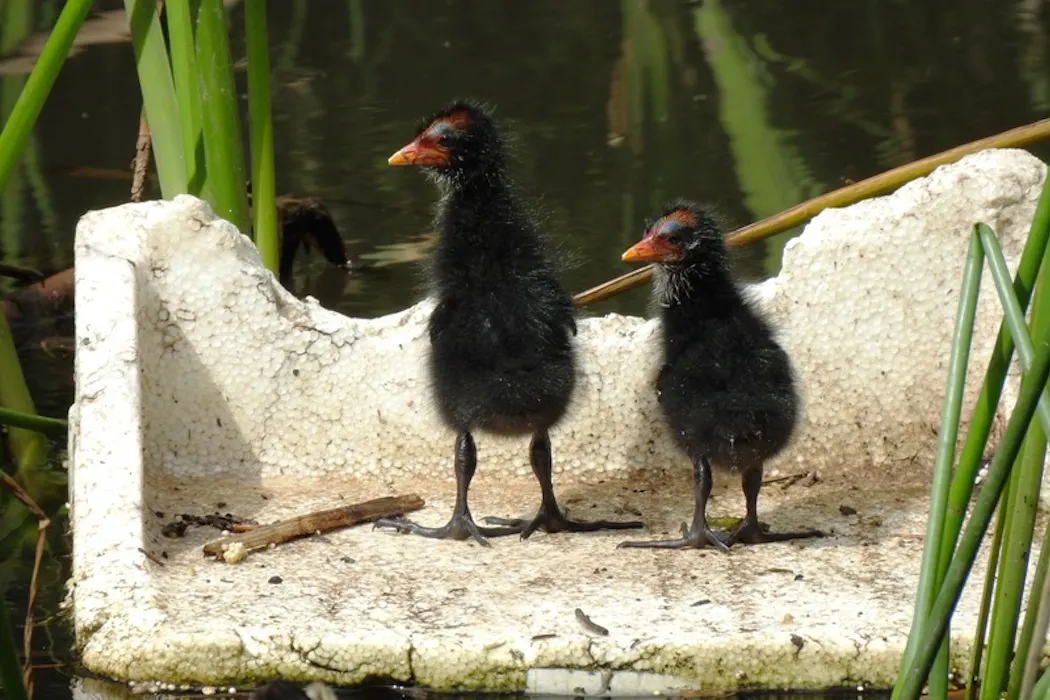
澳大利亚的野生鸟类正在用人类废弃物筑巢,这一现象带来了日益严重的安全隐患。2023年全球研究发现176种不同鸟类的巢穴中含有垃圾1,这些垃圾包括塑料袋、烟头和钓鱼线等物品,可能导致鸟类窒息、中毒和被缠绕等危害。根据澳大利亚博物馆对893个鸟巢的分析,人造材料的使用比例已从1832年的4%上升至2018年的30%1。葡萄牙的白鹳研究进一步显示了问题的严重程度:91%的白鹳巢穴含有人造材料,其中12%的雏鸟因被包裹的塑料绳缠绕而受困1。
为了改善这一状况,设计师Bethany Kiss发起了Peckable Architecture项目,在墨尔本联邦广场和皇家植物园安装了100块由天然筑巢材料制成的砖块1,为鸟类提供更好的筑巢材料选择。该装置展期至10月18日1。这一举措尤为重要,因为澳大利亚六分之一的鸟类物种正面临国家级威胁1。
Birds across the globe are increasingly incorporating human garbage into their nests, creating serious health risks. A global study in 2023 documented trash found in the nests of 176 different bird species, while research on 893 nests housed in the Australian Museum revealed that artificial materials used in bird construction have surged from 4% in 1832 to 30% by 2018.1 In Portugal, researchers studying white storks found that 91% of nests contained human-made materials, with 12% of chicks becoming entangled in plastic rope.1
To address this problem, designer Bethany Kiss has launched the Peckable Architecture project, which installed 100 bricks made from natural nesting materials at two Melbourne locations: Federation Square and the Royal Botanic Gardens.1 The installation runs through October 18 and aims to provide birds with safer, more suitable alternatives to plastic bags, cigarette butts, fishing line, and other discarded items.1 The initiative comes at a critical time, as one-sixth of Australia's bird species face threats at the national level.1
评论
还没有评论,欢迎留下第一条。