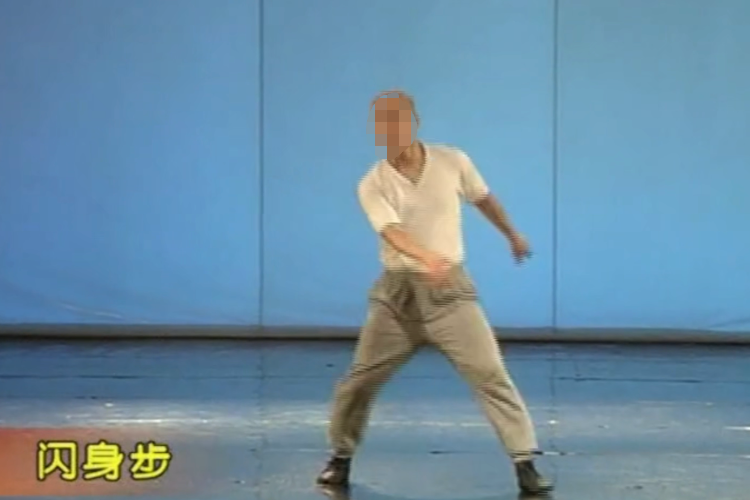
近日因轻快节奏在短视频平台走红的"闪身步"引发大量网民跟风居家练习1。深圳平乐骨伤科医院运动医学中心专家对这一高频变向运动提出安全警示,指出其容易导致多个部位损伤1。
该运动主要依靠踝、膝、髋关节发力和腰腹肌群维持身体稳定1。专家指出,频繁变向可能对三个部位造成伤害:踝关节可能出现崴脚和滑膜炎,膝关节面临滑膜炎和髌股关节压力增大的风险,腰部则容易发生腰肌劳损和腰椎小关节紊乱1。门诊接诊患者多为平日缺乏规律运动、下肢力量薄弱的人群,他们存在追求快节奏、单次练习时间过长、忽视热身拉伸等问题1。
医生总结了四大健身误区需要避免:盲目照搬视频动作、误认为速度快等于效果好、硬扛关节酸痛(应将其视为预警信号)、省略热身拉伸环节1。针对安全运动,专家推荐快走、平地骑行、游泳、椭圆机等低损伤运动作为替代选择1。
A high-frequency directional-change exercise known as the "flash step" has gained significant traction on short-video platforms, prompting widespread imitation among internet users practicing at home.1 Experts at the Sports Medicine Center of Shenzhen Pingle Orthopedic Hospital have issued a cautionary alert regarding the movement's potential health risks.1
The "flash step" relies heavily on rapid coordinated effort from the ankle, knee, and hip joints, while requiring sustained engagement of the core muscles to maintain body stability.1 According to orthopedic specialists, the high-intensity directional changes can result in injuries across three primary areas: the ankle joint—including sprains and synovitis—the knee joint, where synovitis and increased patellofemoral pressure may occur, and the lumbar spine, which faces risks of muscle strain and facet joint dysfunction.1 Clinic patient demographics reveal that those most frequently presenting with injuries are individuals lacking regular exercise habits and lower-limb weakness, many of whom pursued the movement at high speed with extended practice sessions without adequate warm-up and stretching.1
Medical professionals have identified four critical fitness misconceptions to avoid: blindly replicating video movements without modification, assuming faster execution equates to better results, ignoring joint pain as a warning signal, and neglecting warm-up and stretching protocols.1 Experts recommend safer alternatives including brisk walking, flat-terrain cycling, swimming, and elliptical machine workouts—all classified as low-impact exercise options.1
评论
还没有评论,欢迎留下第一条。