随着厄尔尼诺现象在太平洋增强,澳大利亚农民正面临日益严峻的霜冻风险。1巴布亚新几内亚高地已经遭受严重冻害,芋头、红薯、香蕉和甘蔗等主要农作物遭到毁灭性破坏,当地社区陷入粮食危机。12历史数据显示,1972年、1997-98年和2015-16年的类似冻害事件都曾导致数千名巴布亚新几内亚人无法获得食物和水。12
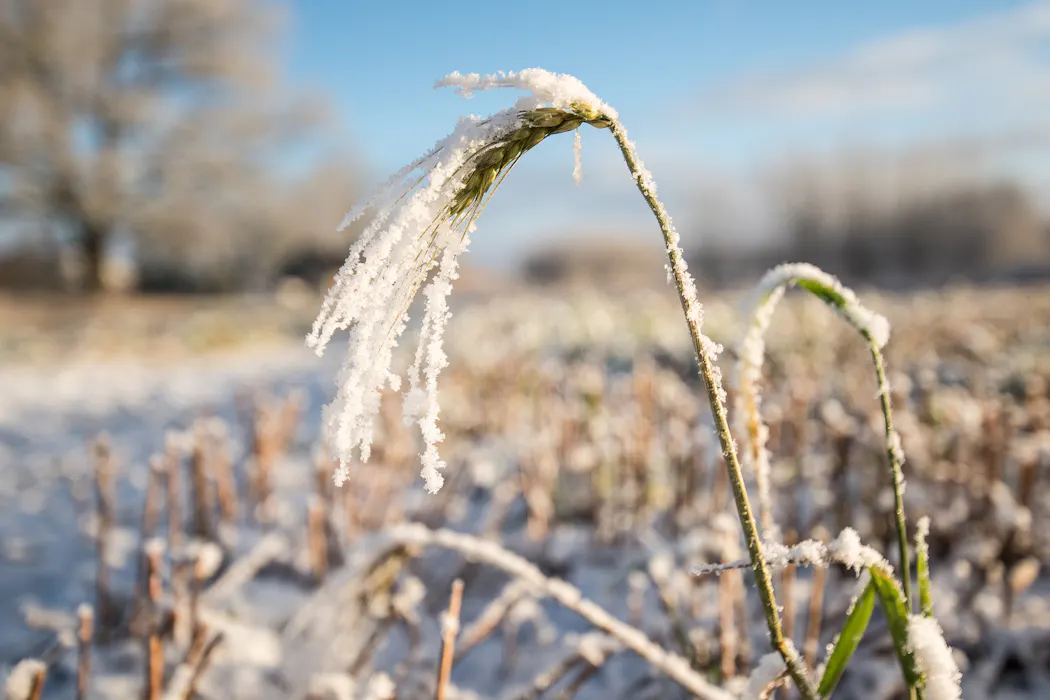
在澳大利亚,霜冻威胁已经迫近。1澳大利亚气象局已在全国多地发布了霜冻警告,维多利亚州南部和西澳洲威克平北部的农民已报告了轻微作物损害。12放射性霜冻通常在寒冷、晴朗、无风的夜晚形成,官方空气温度在3°C或以下时可能引发冻害。2对于种植小麦、大麦和燕麦的谷物农民而言,风险最大的时期是作物开花阶段,此时的冻害可能在一夜间摧毁整个作物。12
为应对这一威胁,研究人员正在开发抗霜冻的作物品种,以帮助农民应对因厄尔尼诺现象带来的冻害风险。1
As El Niño conditions intensify across the Pacific, communities and agricultural sectors from Papua New Guinea to Australia face mounting risks from severe frosts that could devastate crops and trigger food shortages.12
In Papua New Guinea's highlands, the combination of drought and frost has already destroyed staple crops including taro, sweet potato, banana, and sugarcane.12 Historical frost events in 1972, 1997–98, and 2015–16 left thousands of Papua New Guineans without adequate food and water supplies.12 Radiative frosts typically develop during cold, clear, and windless nights.2 When air temperatures reach 3°C or below, frost conditions can occur and cause particular damage during the flowering stage of cereal crops such as wheat, barley, and oats, potentially destroying an entire crop overnight.12
Australian grain growers have received multiple frost warnings from the Bureau of Meteorology across the nation.12 Farmers in the Mallee region of southern Victoria and Wickepin North in Western Australia have already reported minor crop damage.12 Researchers are actively developing frost-resistant crop varieties to help mitigate the risks posed by these increasingly frequent frost events.1
评论
还没有评论,欢迎留下第一条。