哈里·伯雷尔是20世纪澳大利亚的自然科学家,他将舞台表演的戏剧性与科学研究相融合,为公众对科学的认知做出了独特贡献。1伯雷尔生于1873年悉尼,原为杂耍表演者,后来转向动物学研究。11901年,他与苏珊·艾米丽·讷格利结婚,在迁居曼尼拉后开始系统地从事动物学研究工作。1
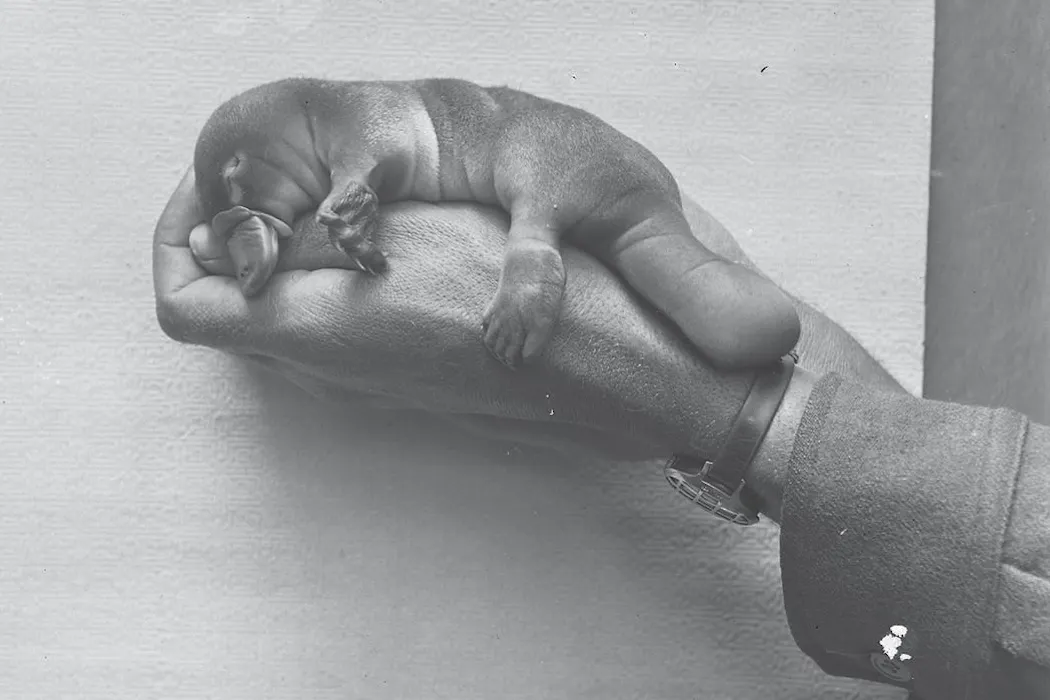
伯雷尔的主要研究焦点是单孔目动物,尤其是鸭嘴兽。1他发明了名为"platypusary"的便携式鸭嘴兽饲养装置,用于模拟鸭嘴兽在野生环境中的地洞网络,使科学观察成为可能。11910年,伯雷尔在悉尼动物园展示了鸭嘴兽三个月。1随后,他组织了六只鸭嘴兽通过该装置运往美国,虽然只有一只幸存,但它在纽约动物园展出49天后死亡。1
通过自制的玻璃穹顶水箱进行的开创性实验,伯雷尔发现鸭嘴兽无法通过眼睛、耳朵或鼻子在水下进行感知,而是完全依靠触觉。1他在实验中拍摄的鸭嘴兽水下游泳录像是已知最早的此类记录,这些研究为后来发现鸭嘴兽的"第六感"——电感受性奠定了基础。11927年,伯雷尔因长期在冷水中工作而遭受暂时性瘫痪。1澳大利亚博物馆目前正举办题为"Harry Burrell: The Platypus Man"的回顾展览,展期至明年三月。1
Harry Burrell, born in Sydney in 1873, transitioned from a career as a juggler to become one of Australia's most innovative natural scientists, earning the nickname "platypus man" for his pioneering research on monotremes.1 After marrying Susan Emily Negley in 1901 and settling in Manila, Burrell began his scientific work and developed the "platypusary," a portable enclosure designed to replicate the underground burrow networks where platypuses live.1
Burrell's research methods combined rigorous experimentation with theatrical presentation to captivate public interest in science.1 His most significant discovery came through observations using a glass-domed water tank, which revealed that platypuses cannot perceive their underwater environment through their eyes, ears, or nose—relying instead solely on touch.1 This video footage represents the earliest known recording of platypus underwater swimming and laid the groundwork for the later discovery of the animal's "sixth sense," electroreception.1 In 1910, Burrell displayed platypuses at Sydney Zoo for three months, and he later organized the transport of six specimens to the United States, though only one survived the journey, dying after 49 days on display at the New York Zoo.1
Burrell's contributions to science came at considerable personal cost; he was temporarily paralyzed in 1927 after prolonged exposure to cold water during his research.1 The Australian Museum is currently presenting a retrospective exhibition titled "Harry Burrell: The Platypus Man," running through March of next year, celebrating his transformative impact on Australian science.1
评论
还没有评论,欢迎留下第一条。