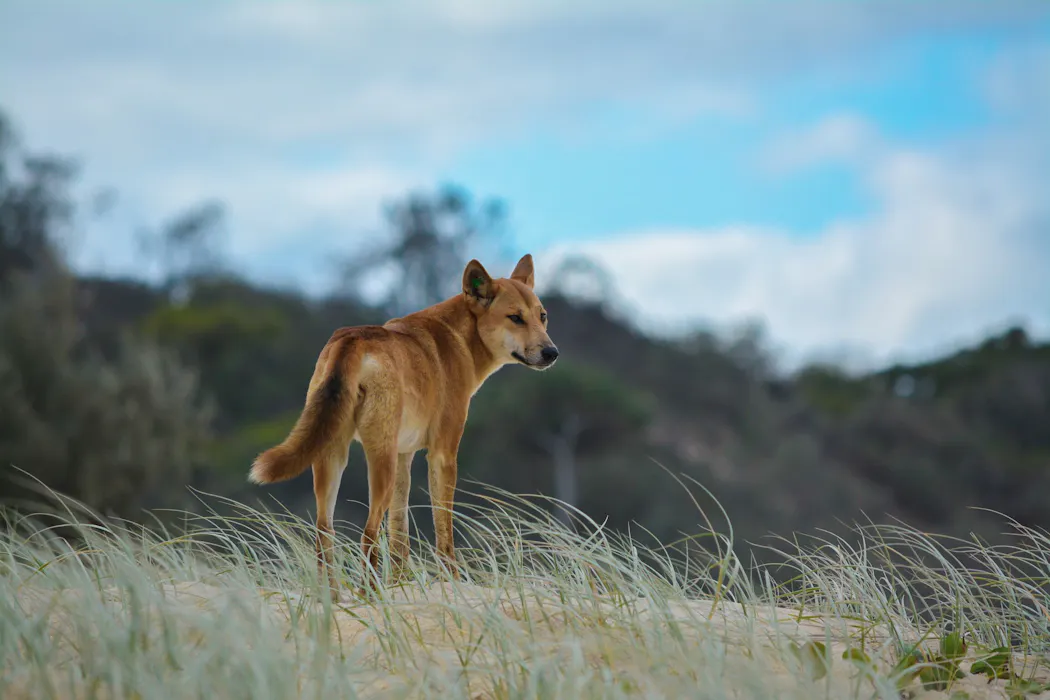
新南威尔士州议会正在进行一项议会调查,讨论国家公园内野生犬的管理政策1。这一调查反映了围绕丁戈犬管理所存在的深刻分歧:农民担忧这些动物对畜牧业构成威胁,而环保人士和原住民社区则强调其生态与文化价值1。议会调查已收到近400份公众意见1。
在现行法律框架下,丁戈犬在州内不受保护,被作为"野生犬"进行管理1。传统的大规模诱饵杀害方法效果有限,研究表明在四个牧场实施的诱饵计划虽然降低了丁戈犬数量,但并未减少失去的小牛数量1。面对这一困境,专家建议采用非致命性控制策略,包括排斥围栏、守护动物和针对问题个体的有针对性应对1。然而,大规模推行这些方法面临高成本障碍,围栏建设和守护动物训练等费用成为实施的主要制约1。
New South Wales Parliament is undertaking an investigation into how wild dogs, including dingoes, should be managed within the state's national parks.1 The inquiry has received nearly 400 public submissions, reflecting deep divisions between farming interests and conservation advocates.1 Farmers argue that dingoes pose a threat to livestock and livelihoods, while environmentalists and Indigenous communities emphasize the animals' ecological value and cultural significance.1
Under current New South Wales law, dingoes are not afforded legal protection and are classified as "wild dogs" for management purposes.1 Research has challenged the effectiveness of traditional large-scale control methods, demonstrating that baiting programs conducted across four properties reduced dingo numbers but did not decrease the loss of calves.1 Non-lethal alternatives, including exclusion fencing, guardian animals, and targeted responses to problem individuals, are being considered as potential solutions.1 However, widespread adoption of these methods faces significant financial barriers, as the costs of fencing infrastructure and training guardian animals remain prohibitively high for many landholders.1
评论
还没有评论,欢迎留下第一条。