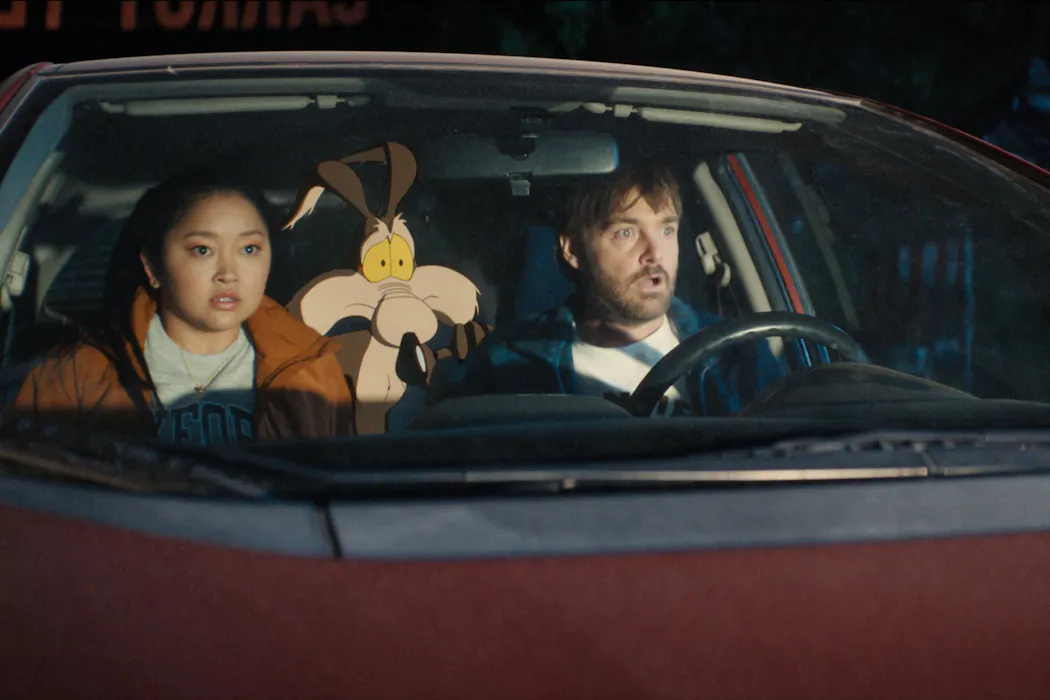
华纳兄弟出品的新片《Coyote vs. Acme》以混合动画与真人制作的方式讲述威利狐狼因Acme公司产品缺陷而起诉该公司的故事。1 这部影片采用的视觉手法与《谁陷害了兔子罗杰》(1988)和《太空大灌篮》(1996)类似,继承了动画与真人融合电影超过一个世纪的创作传统。1
动画真人混合技术的探索早在电影诞生初期就已开始。1 Max Fleischer在1918至1921年间制作的《Out of the Inkwell》系列中率先应用了rotoscope技术,将动画与真人场景结合。1 迪士尼的《Alice Comedies》(1923–27)则通过先在空背景前拍摄真人演员,随后在其周围制作动画的方法实现混合效果。1 技术的发展在1964年《欢乐满人间》中进一步推进,该片采用了钠蒸气过程技术,这一技术后来被蓝幕和绿幕技术所取代。1
《Coyote vs. Acme》中,制作团队使用了威利狐狼的等比例模型木偶与演员进行交互,最终通过2D和数字动画技术进行合成。1 从早期复杂的光学合成到现代数字影像处理,混合动画电影的制作工艺在百年间不断演进,而其核心理念——将虚拟角色融入现实世界——始终得以延续。1
The film "Coyote vs. Acme" represents the latest iteration of a filmmaking approach that has evolved over more than a hundred years.1 The movie follows the Looney Tunes character Wile E. Coyote as he sues the Acme Corporation over defective products, employing a hybrid technique that combines animated and live-action elements.1 This production method mirrors earlier successes such as "Who Framed Roger Rabbit" (1988) and "Space Jam" (1996).1
The practice of integrating animated characters into live-action footage traces back to cinema's earliest decades.1 Max Fleischer pioneered the rotoscope technique during animation's formative years and incorporated it into live-action hybrid sequences in his "Out of the Inkwell" series (1918–21).1 Disney's "Alice Comedies" (1923–27) employed a different methodology, filming live-action performers against blank backgrounds and then animating around them.1 The technological approach evolved significantly with "Mary Poppins" (1964), which utilized the Sodium Vapour Process—a technique eventually replaced by blue screen and green screen technologies.1
For "Coyote vs. Acme," filmmakers employed proportional puppet models of Wile E. Coyote to interact with live-action performers, subsequently compositing the character using 2D and digital animation techniques.1 This approach demonstrates how the fundamental concept of merging animated and real-world elements has persisted while adapting to contemporary digital tools and methods.1
评论
还没有评论,欢迎留下第一条。