Netflix正在将1971年的斯坦福监狱实验改编成真人秀系列,计划让30名参与者在"真实监狱"环境中停留两周1。这一宣布引发了对节目伦理性的广泛质疑,因为原始实验本身已因严重的方法缺陷和道德问题而备受争议。
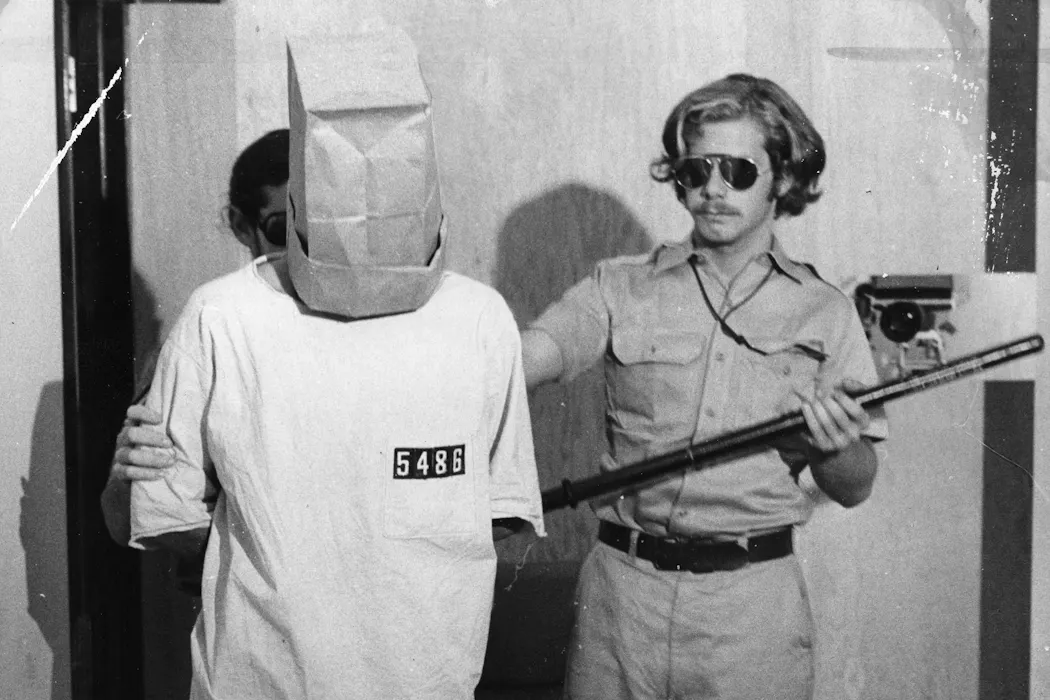
原始实验由心理学家菲利普·津巴多主导,招募了24名大学男性分别扮演囚犯或狱警1。尽管计划持续14天,但实验在第6天就被迫终止,原因是参与者出现了情绪崩溃、精神问题和残忍行为1。这场实验的负面影响深远,促使美国在1974年通过《国家研究法案》,规定了对研究参与者的保护要求1。斯坦福大学已明确表示,这一实验在当今条件下将永远不被允许进行1。
Netflix新节目面临的核心伦理问题包括参与者保护、监督机制和制作方问责1。观察人士提出了尖锐的质疑:制作者和参赛者将如何被追究责任,他们将获得什么样的监督和权力1。这些问题表明,以如此有争议的历史事件为基础制作娱乐内容仍存在重大风险。
Netflix is developing a modern reality television adaptation of the infamous Stanford Prison Experiment, in which 30 participants will spend two weeks in a "real prison" setting.1 The original 1971 experiment, led by psychologist Philip Zimbardo, recruited 24 male university students to roleplay as either inmates or guards.1 Though scheduled to run for 14 days, the study was terminated after just six days due to participants experiencing emotional breakdowns, psychological distress, and brutal behavior.1
The original experiment's ethical violations and methodological flaws prompted significant regulatory change.1 The 1974 U.S. National Research Act established protections for research participants, a direct result of studies like Zimbardo's work.1 Stanford University has since stated explicitly that the experiment would never be permitted under current conditions.1
As the new series moves forward, critical ethical concerns persist regarding participant protection, oversight mechanisms, and accountability.1 The article's author poses the central question: "How will producers and contestants be held accountable? What kind of supervision and authority will they have?"1
评论
还没有评论,欢迎留下第一条。