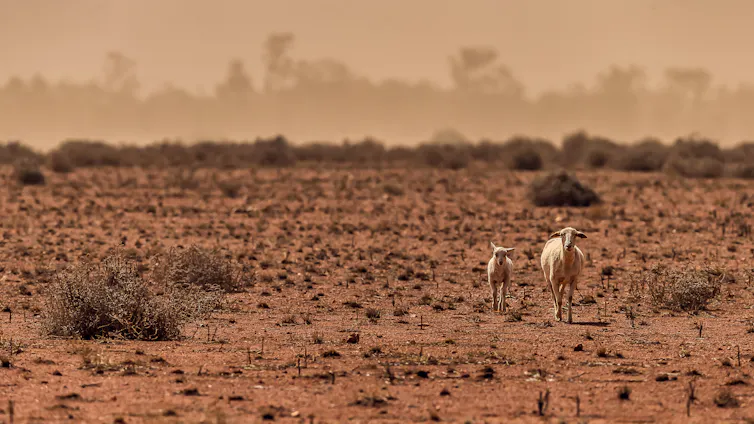
澳大利亚正面临强厄尔尼诺现象与通胀压力的双重威胁。澳大利亚气象局表示,当前厄尔尼诺事件"很可能成为1950年以来记录中最强的厄尔尼诺事件"1。这一气象现象预计将导致澳大利亚部分地区春季降雨量下降,进而对农业生产造成重创。
冬季作物减产已成定局。根据预测,昆士兰州、新南威尔士州和西澳大利亚州的冬季作物产量将下降16%-44%1。这一幅度的减产将直接影响蔬菜等主要食品的供应,消费者可能面临叶类蔬菜短缺和价格上升1。整体而言,食品价格预计在2026年上半年仍将保持高位1。
当前通胀形势已经严峻。截至7月的一年内,食品和非酒精饮料价格上涨3.2%,成为通胀的第二大贡献因素1,远超澳大利亚央行2%-3%的通胀目标1。与此同时,柴油价格超过2.60澳元/升1,进一步推高食品流通成本。
Australia faces a powerful El Niño event that threatens to significantly impact food availability and consumer prices in the coming months. The Australian Bureau of Meteorology has indicated that "models indicate the current event is likely to become the strongest El Niño event on record, with reliable records dating back to 1950."1 This extreme weather pattern is expected to reduce spring rainfall in parts of Australia, with winter crop yields predicted to decline between 16% and 44% across Queensland, New South Wales, and Western Australia.1
The agricultural disruption comes as Australia grapples with persistent inflation pressures. Food and non-alcoholic beverage prices have already risen 3.2% over the year ending in July, making them the second-largest contributor to inflation.1 Experts anticipate that consumers may face supply shortages of leafy vegetables and upward pressure on food prices, with elevated food costs expected to persist through the first half of 2026.1 These concerns arrive amid broader economic pressures, as diesel prices have exceeded 2.60 Australian dollars per liter, further straining agricultural production costs and food supply chains.1
评论
还没有评论,欢迎留下第一条。