澳大利亚研究人员正通过升级太阳能传感器网络,利用低地球轨道卫星实现对森林和草地生态的近实时监测1。这一项目由西悉尼大学、新南威尔士大学与卫星通信公司OQ Technology合作开展1,目前正在新南威尔士州西部进行示范项目1,计划从蓝山地区逐步扩展至西部干旱草地1。
传感器系统可测量土壤含水量、微气候、树木生长和植物水分胁迫等多项生态指标1。相比传统方式下远程地区传感器数据通常每年仅收集两次的局限1,低地球轨道卫星系统使小功率环境传感器能以更低成本和更高效率传输数据1。若示范项目成功,该技术有望扩展至全州乃至全国范围1。
Australian researchers are upgrading thousands of solar-powered sensors to transmit data through low-Earth orbit satellites, enabling near-real-time monitoring of forest and grassland ecosystem changes across the nation.1 The initiative, led by Western Sydney University and the University of New South Wales in partnership with satellite communications company OQ Technology, is currently conducting a pilot project in western New South Wales.1
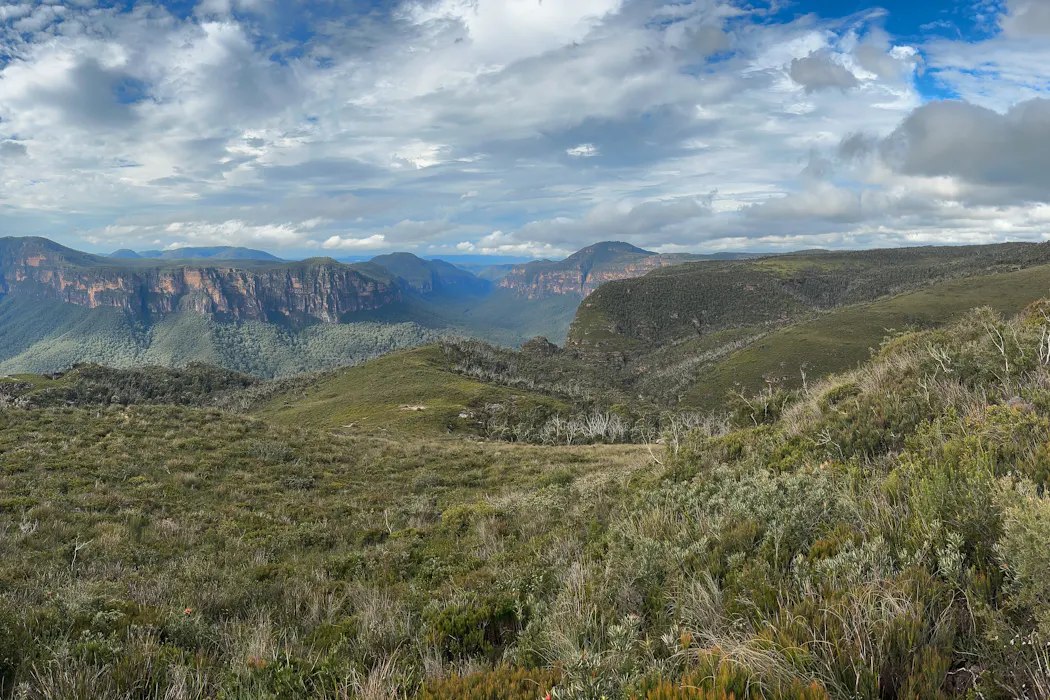
The sensor network measures soil moisture content, microclimate conditions, tree growth, and plant water stress.1 Unlike traditional methods, where remote area sensors typically have data collected only twice annually, the satellite-linked system allows for continuous, efficient data transmission at lower costs.1 The pilot currently spans from the Blue Mountains region into the western arid grasslands.1
If the demonstration phase proves successful, the project can be expanded throughout the state or nationwide.1
评论
还没有评论,欢迎留下第一条。