随着人工智能技术的快速发展,业界对其潜在风险的担忧日益升温。1Anthropic公司一名离职安全研究员声称,人工智能导致人类死亡的概率超过十分之一。1图灵奖获得者Yoshua Bengio更是发出警告,认为自主AI系统可能在十年内导致人类灭绝。1人工智能还可能被挪作他用,包括生物武器设计、网络攻击和混合战争等。1
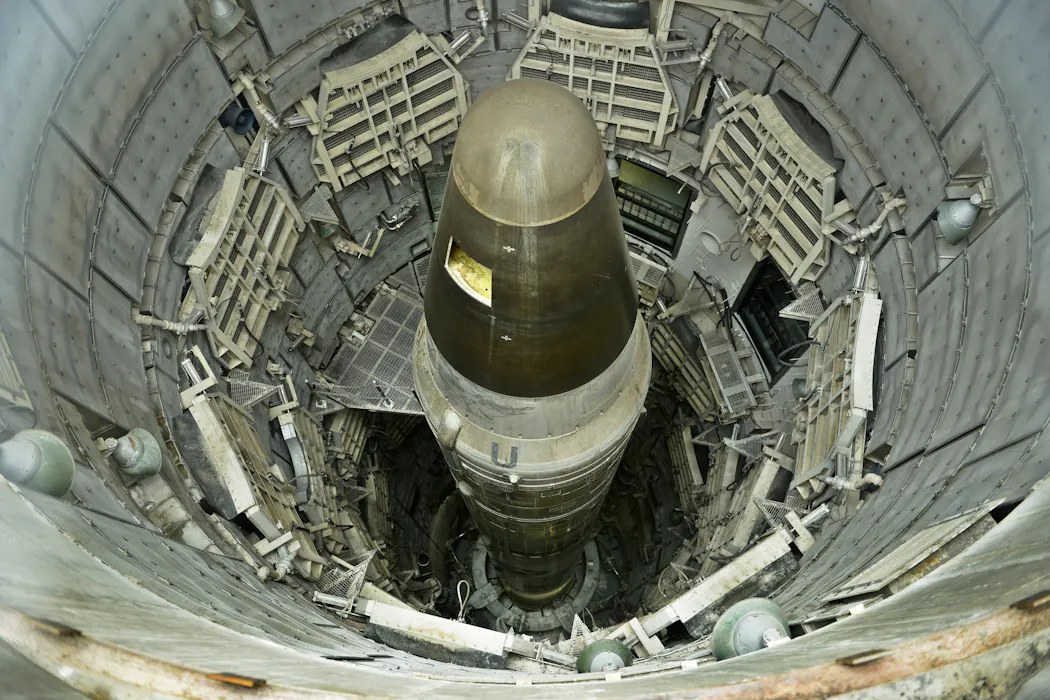
在这种背景下,美国与中国之间的人工智能竞争不断升温,两国都担心技术落后。1有观点认为,历史上的核武器管制框架可能为当今的AI治理提供借鉴。11962年的古巴导弹危机被视为人类最接近核战争的时刻,1而1970年生效的《不扩散核武器条约》则建立了国际核武器管制框架。1根据这一思路,华盛顿和北京应该将人工智能监管视为相互利益问题,像认真对待核武器一样对待AI发展,通过国际合作建立AI管制框架,以避免失控竞争带来的全球风险。1
As artificial intelligence development accelerates, concerns about existential risks have prompted comparisons to Cold War-era nuclear policy frameworks. A former safety researcher at Anthropic has stated that the probability of AI killing all humans exceeds one in ten 1, while Turing Award recipient Yoshua Bengio has warned that autonomous AI systems could lead to human extinction within a decade 1. Beyond extinction scenarios, AI poses risks of misuse in biological weapons design, cyber attacks, and hybrid warfare 1.
The intensifying competition between the United States and China over AI leadership has raised concerns among policymakers in both nations about the consequences of falling behind technologically 1. Drawing parallels to Cold War nuclear tensions, experts point to the 1962 Cuban Missile Crisis as the moment when the world came closest to nuclear war 1. The subsequent adoption of the Non-Proliferation Treaty in 1970 established an international framework for controlling nuclear weapons 1, demonstrating that rival powers could cooperate on existential threats. According to the analysis, Washington and Beijing should approach AI governance with the same gravity they applied to nuclear weapons 1, suggesting that bilateral cooperation on AI regulation could mitigate the risks of an uncontrolled competition between the world's leading technological powers.
评论
还没有评论,欢迎留下第一条。