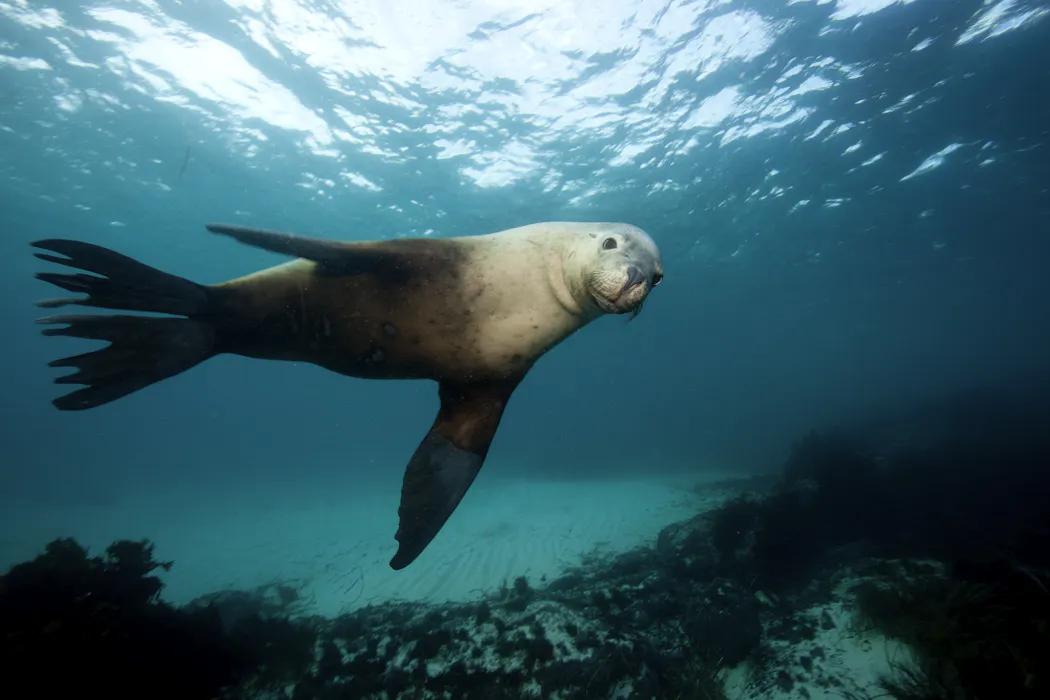
H5N1病毒已在澳大利亚造成首次海洋哺乳动物死亡案例。1一只澳大利亚海狮在袋鼠岛被确认死于H5N1禽流感,这是该濒危物种在澳洲的首个确诊死亡案例。1该物种种群数量不足12000只,属于濒危物种。1同时,南澳一只海豚在古尔瓦附近冲上岸后也被确认感染H5N1,成为澳洲首例海豚感染病例。1
H5N1病毒已进化至能感染多种海洋哺乳动物。1该病毒自2020年发生致命变异以来,已导致南美洲大规模海洋哺乳动物死亡。1自2021年以来,该病毒已造成阿根廷超过17000只南象海豹幼崽死亡。1
病毒在海洋环境中具有较强生存能力。1H5N1可在水中存活数天至数周,具体时间取决于温度、盐度和阳光等因素。1袋鼠岛的这只海狮曾遭鲨鱼攻击,病毒检测确认为其死亡原因。1
An endangered Australian sea lion on Kangaroo Island has become the first of its species confirmed dead from H5N1 avian influenza in the country, marking a significant expansion of the virus's impact on marine mammals.1 The sea lion, which had been attacked by a shark, was identified as infected through laboratory testing that confirmed the virus as the cause of death.1 A dolphin near Goulwa in South Australia also washed ashore and tested positive for H5N1, representing the first confirmed case of the virus in this species in Australia.1
The H5N1 virus has undergone a lethal mutation since 2020 that has enabled it to infect a broader range of species, including seals, sea lions, and dolphins.1 With fewer than 12,000 individuals remaining, the Australian sea lion is classified as an endangered species, making these deaths particularly concerning for conservation efforts.1 Since 2021, the virus has devastated marine mammal populations across South America, killing more than 17,000 southern elephant seal pups in Argentina alone.1 Drone surveys have documented over 13,000 dead pups of the same species on Heard Island, Australia.1
H5N1 can survive in water for anywhere from several days to weeks, depending on temperature, salinity, and sunlight exposure.1 This environmental persistence increases the likelihood of further infections spreading through Australia's coastal marine ecosystems.
评论
还没有评论,欢迎留下第一条。