研究人员借助现代数字技术对一件5000多年前的泥塞文物进行了分析,确认古埃及第一王朝的美瑞特涅夫确实是独立的女性统治者1。这项研究通过增强象形文字的图像清晰度,证实了20世纪50年代埃及学家埃默里的理论1。
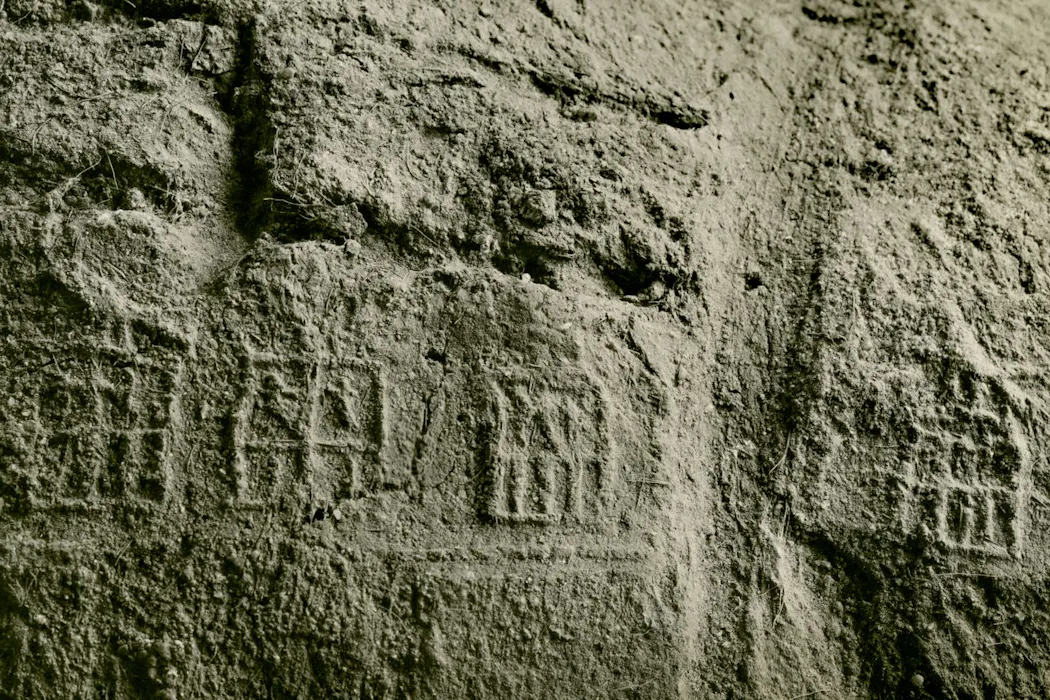
该研究发表在《布拉格埃及学研究》期刊上,利用数字技术隔离象形文字、反转颜色、转换为可扩展矢量图等手段,增强了泥塞上四个王家标志(serekhs)的可读性1。美瑞特涅夫生活在5000多年前,是第一王朝第三位国王杰尔的可能之女,研究人员估计她统治埃及至少30年1。美瑞特涅夫成为古埃及第二位名字被记录在王家serekh纹章上的女性统治者,同时研究还揭示了她在政治生涯中曾担任共治者和摄政王母亲等多个角色1。
Researchers have used advanced digital imaging techniques to analyze hieroglyphics inscribed on a mud sealing artifact from over 5,000 years ago, providing new confirmation that Merytneith was indeed an independent female ruler of Egypt's First Dynasty rather than merely a regent or co-ruler.1 The study, published in the Prague Egyptology Studies journal, enhances and clarifies hieroglyphic evidence that had previously supported theories first proposed by Egyptologist Walter Emery in the 1950s.1
The artifact examined bears four royal serekh symbols containing hieroglyphic inscriptions.1 By employing digital enhancement methods—isolating the hieroglyphic marks, inverting colors, and converting them to scalable vector graphics—researchers were able to clarify previously obscured details on the mud sealing.1 The research indicates that Merytneith, who may have been the daughter of Djer, the third king of the First Dynasty, ruled Egypt for at least 30 years.1 Evidence shows she held multiple positions throughout her political career, including those of co-ruler and regent mother.1 Merytneith becomes the second female ruler of ancient Egypt to have her name recorded within a royal serekh emblem.1
评论
还没有评论,欢迎留下第一条。