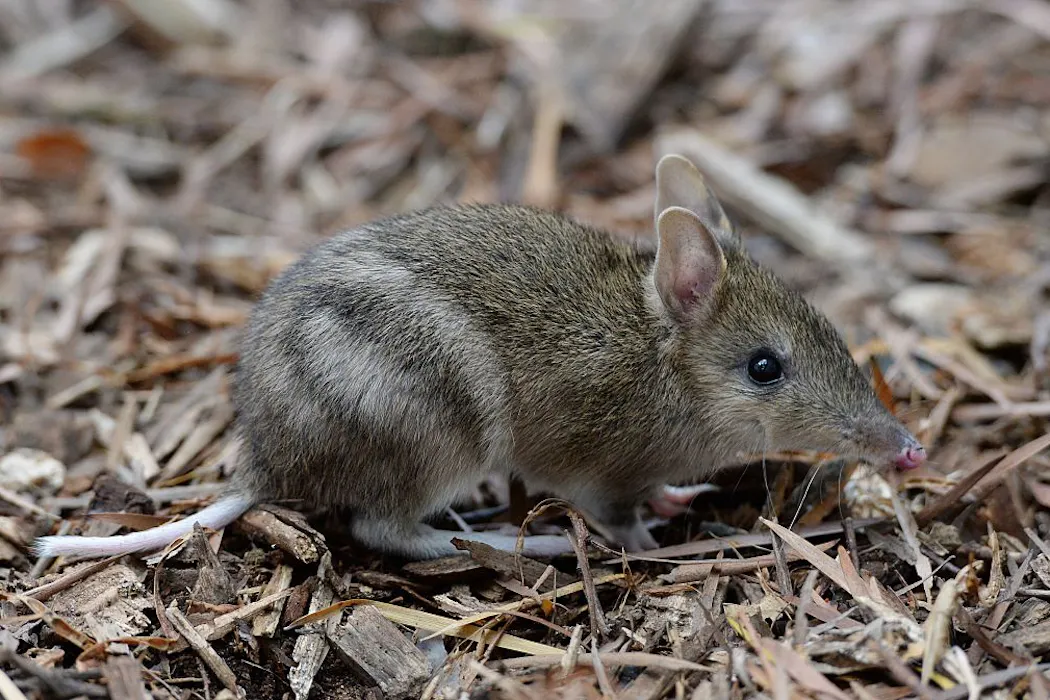
澳大利亚研究人员通过分析1804-1954年间新南威尔士州发表的3000多份报纸报道,揭示了人类数十年来对袋狸的系统性误解和妖魔化,这些负面认知加剧了该物种的灭绝风险1。自欧洲殖民以来,现存15种袋狸中有8种已濒危或灭绝1。
人类对袋狸的敌意源于多个历史阶段1。在早期,欧洲殖民者因狩猎食用而杀害大量袋狸;后来农业扩张使袋狸被妖魔化为害兽,因其挖掘农作物而遭驱除1。1906年,巴瑟斯特保护委员会收到近19000张袋狸头皮,反映了当时的大规模猎杀1。进入20世纪,不实指控进一步加深了偏见——1924年兽医研究员伊恩·克鲁尼斯·罗斯声称长鼻袋狸是麻痹蜱虫的最爱宿主1,这一说法强化了公众对袋狸的负面印象。
研究强调,袋狸实际上在澳大利亚生态系统中发挥着重要作用,包括挖起大量土壤、传播有益真菌和降低丛林火灾风险1。改善人类与袋狸的关系需要通过教育和栖息地保护来实现1。
A new study analyzing over 3,000 newspaper reports published in New South Wales between 1804 and 1954 demonstrates that humans have systematically maligned bandicoots for centuries, intensifying extinction risks for this vulnerable species 1. The research identifies three primary sources of human hostility toward bandicoots: initial hunting for food by early settlers, subsequent classification as agricultural pests due to their burrowing behavior, and false accusations of spreading parasites and disease 1. Among the 15 extant bandicoot species in Australia, eight have become endangered or extinct since European colonization 1.
Historical records reveal the severity of persecution: in 1906 alone, the Bathurst Protection Committee received nearly 19,000 bandicoot scalps 1. The mischaracterization intensified further when veterinary researcher Ian Cruickshank Ross claimed in 1924 that the long-nosed bandicoot was the preferred host for paralysis ticks 1. However, bandicoots actually play a crucial ecological role in Australian ecosystems, including aerating soil through extensive burrowing, dispersing beneficial fungi, and reducing bushfire risk 1. Addressing the species' decline requires education initiatives and habitat protection to fundamentally reshape human attitudes toward these often-misunderstood animals 1.
评论
还没有评论,欢迎留下第一条。