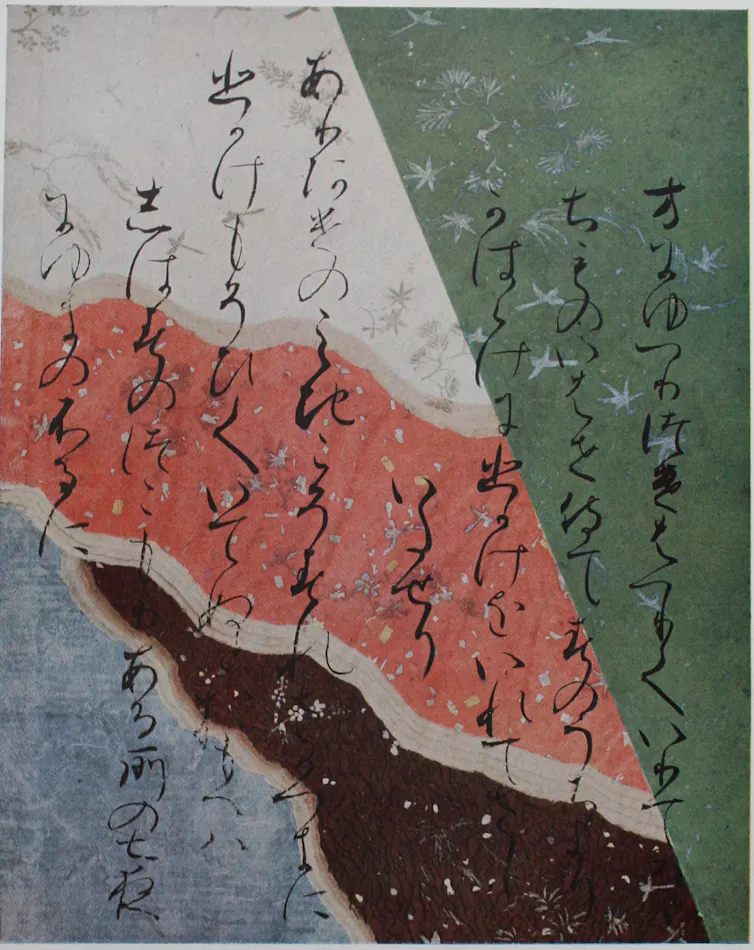
拼贴作为一种艺术形式,其历史可追溯至12世纪的日本,当时艺术家已开始使用不同颜色的纸张进行粘贴创作。1 "拼贴"一词源自法语动词"coller",意为"胶合"或"粘合在一起"。1 到了1702年,世界首份日报《每日快讯》的问世为艺术家提供了大量廉价的创作材料。1
20世纪初,欧洲现代艺术运动中涌现出一批拼贴艺术的先驱。1 乔治·布拉克、汉娜·赫希和毕加索等艺术家开始将报纸、海报等日常物品重新组合纳入艺术创作,这种做法成为了现代艺术的重要手段。1
当代澳大利亚艺术界延续着这一传统。1 艺术家德博拉·凯利通过其C.U.L.T项目将图书馆的废弃物品进行创意改造与重新利用,而悉尼社交胶水集体则致力于通过拼贴实践消除艺术创作中的时间、空间和资金障碍,同时推动社会评论和社区参与。1
Collage art traces its roots back to 12th-century Japan, where artists employed colored papers to create compositions through adhesive techniques 1. The term itself derives from the French word "coller," meaning to glue or paste together 1. The medium gained access to affordable materials with the establishment of mass-produced publications, following the release of the world's first daily newspaper, the Daily Courant, in 1702 1.
Early twentieth-century European artists, including Pablo Picasso, Georges Braque, and Hannah Höch, pioneered the incorporation of collage into modern art movements, repurposing everyday materials such as newspaper clippings and posters as artistic elements 1. This practice transformed how artists approached creative expression, integrating found objects and printed matter into deliberately composed works.
In contemporary Sydney, collage continues to serve as a tool for social commentary and community engagement. Artist Deborah Kelly's C.U.L.T. project creatively repurposes discarded library materials 1, while the Sydney Social Glue Collective works to eliminate barriers to artistic creation by reducing constraints related to time, space, and financial resources 1. These practitioners demonstrate collage's enduring relevance as an accessible and socially conscious artistic practice.
评论
还没有评论,欢迎留下第一条。