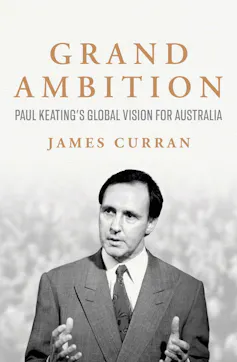
前澳大利亚总理保罗·基廷长期反对AUKUS联盟,其立场根植于劳工党现实主义的外交传统。1基廷认为AUKUS代表澳大利亚重新依赖美国,背离了他主张的区域自主安全政策——即澳大利亚应在亚洲地区寻求安全,而非从亚洲获取安全。1
基廷在担任总理期间曾推动亚太经合组织(APEC)升级,将其作为地区经济一体化与安全合作的工具,同时倡导"开放地区主义"的理念。1然而,这些设想并未如预期发挥作用。11990年代澳大利亚经历严重经济衰退,失业率达到1930年代大萧条以来的最高水平,1使得基廷的宏大国际愿景与普通澳大利亚民众面临的日常经济困难相脱节。1
Former Australian Prime Minister Paul Keating's sustained hostility toward the AUKUS alliance stems from his commitment to Labor Party realism and his vision of Australian security autonomy in the Asia-Pacific region.1 During his tenure as prime minister, Keating championed an upgrade to the Asia-Pacific Economic Cooperation (APEC) forum, positioning it as a vehicle for regional economic integration and security cooperation.1 His advocacy for "open regionalism" reflected a broader ambition to reshape Australia's strategic posture, yet APEC did not achieve the transformative role he envisioned.1
Keating's enduring critique of AUKUS reflects his foundational belief that Australia should pursue security within Asia rather than depend on the United States for security derived from outside the region.1 This stance represents a continuation of his conviction that Australia must forge independent regional diplomatic pathways. During the 1990s, Australia experienced a recession with unemployment reaching its highest level since the Great Depression of the 1930s,1 creating a significant disconnect between Keating's grand strategic vision and ordinary Australians' immediate economic concerns. His opposition to AUKUS crystallizes this tension between expansive geopolitical ambition and the domestic economic challenges facing the Australian electorate.
评论
还没有评论,欢迎留下第一条。